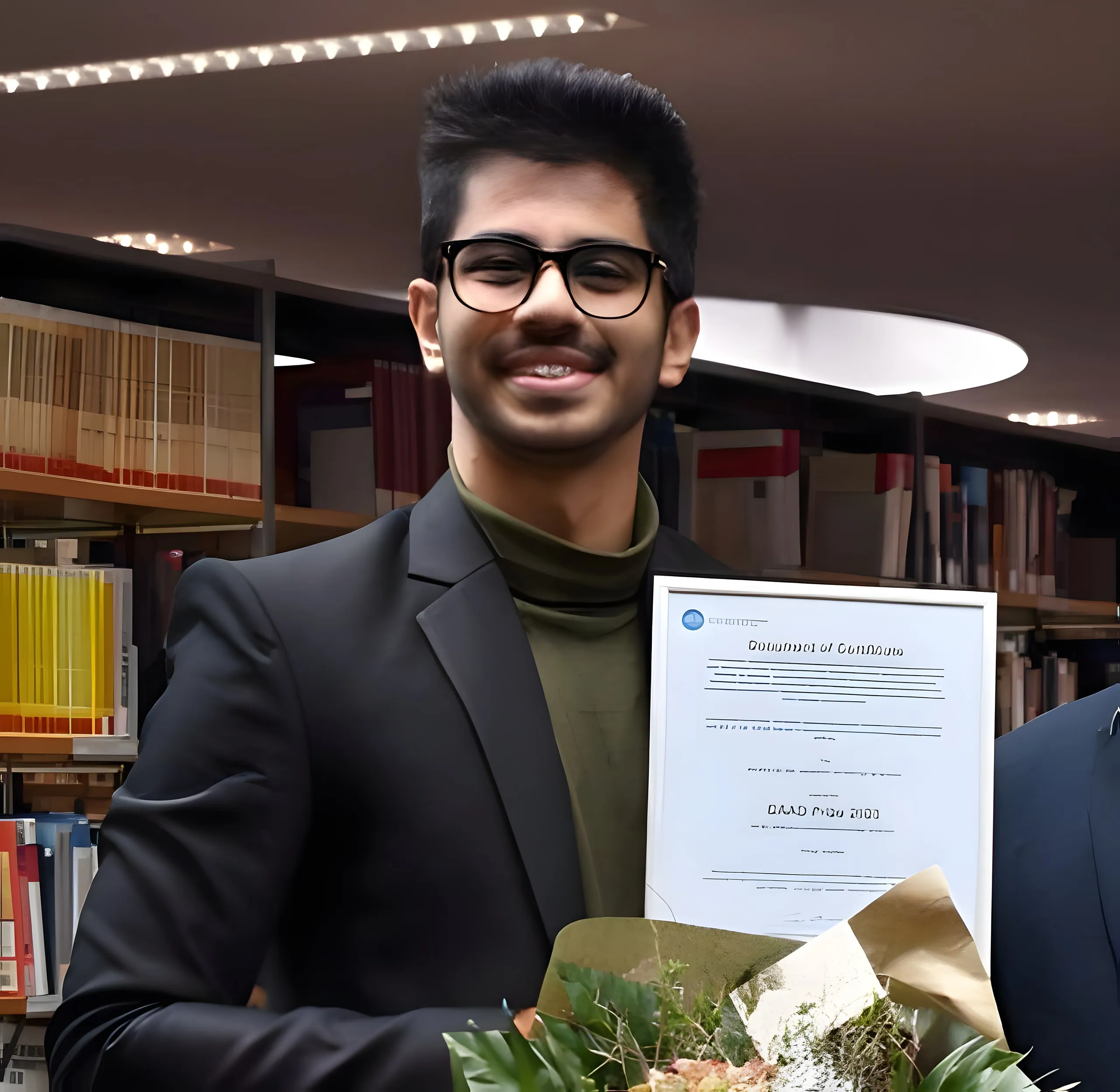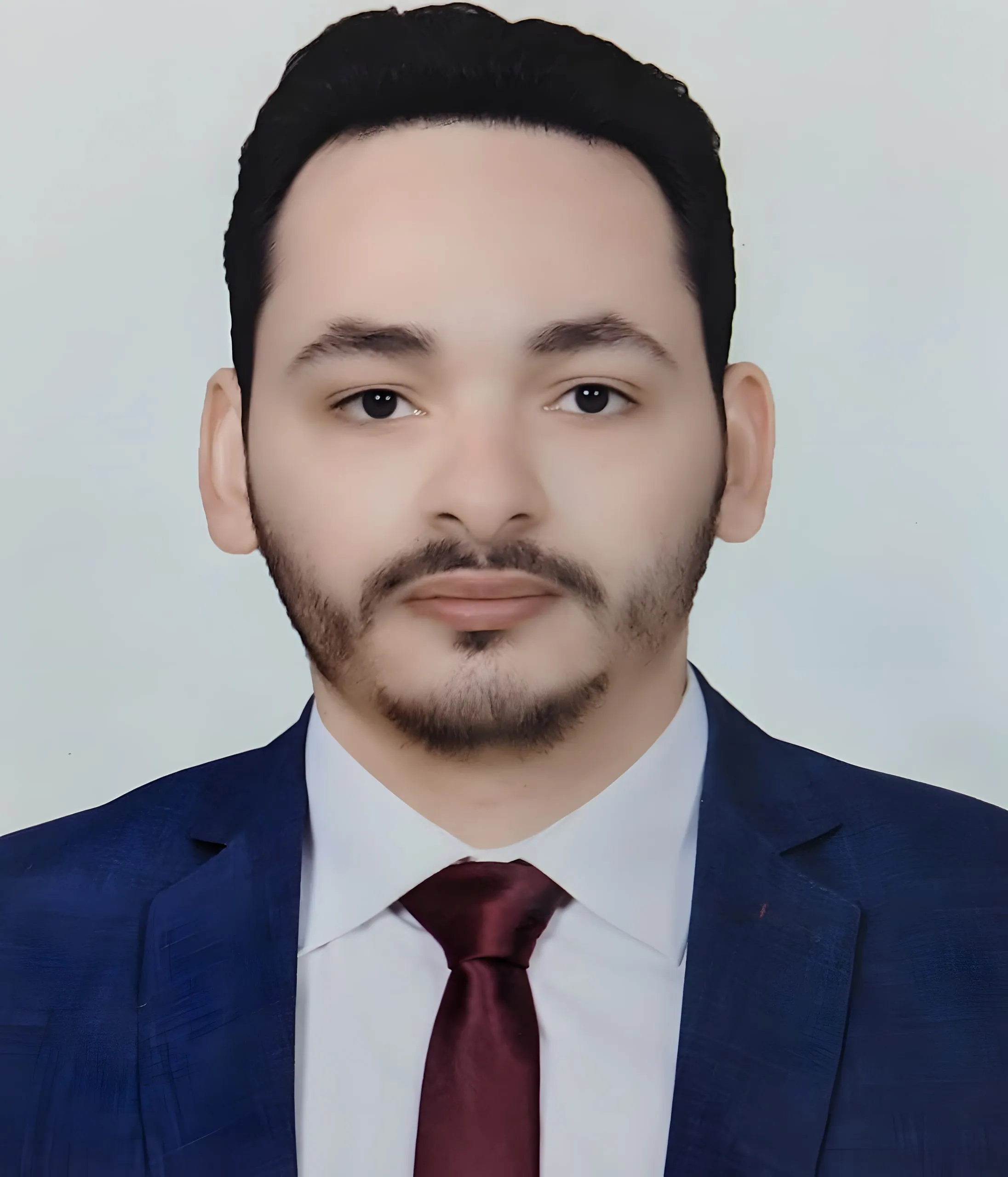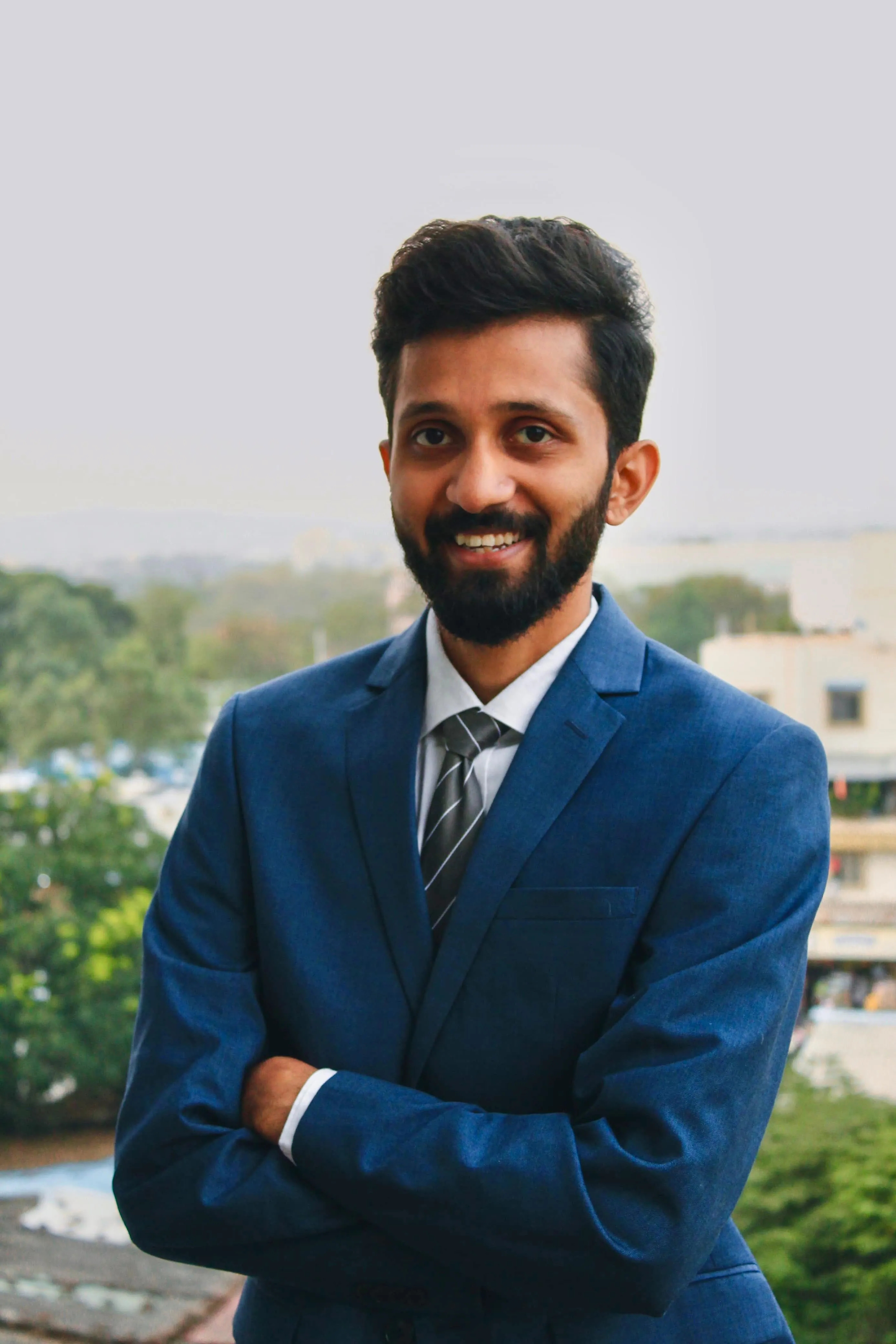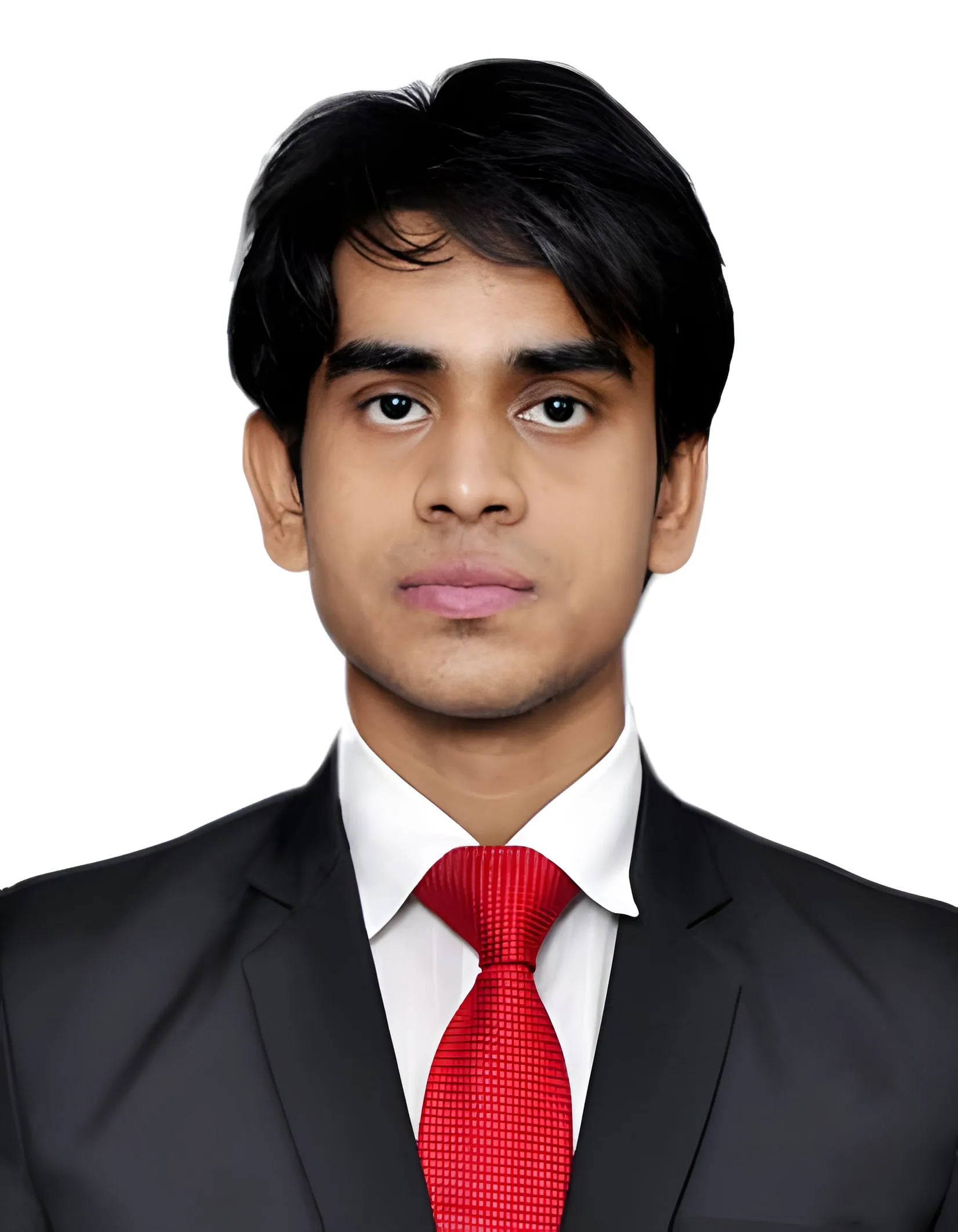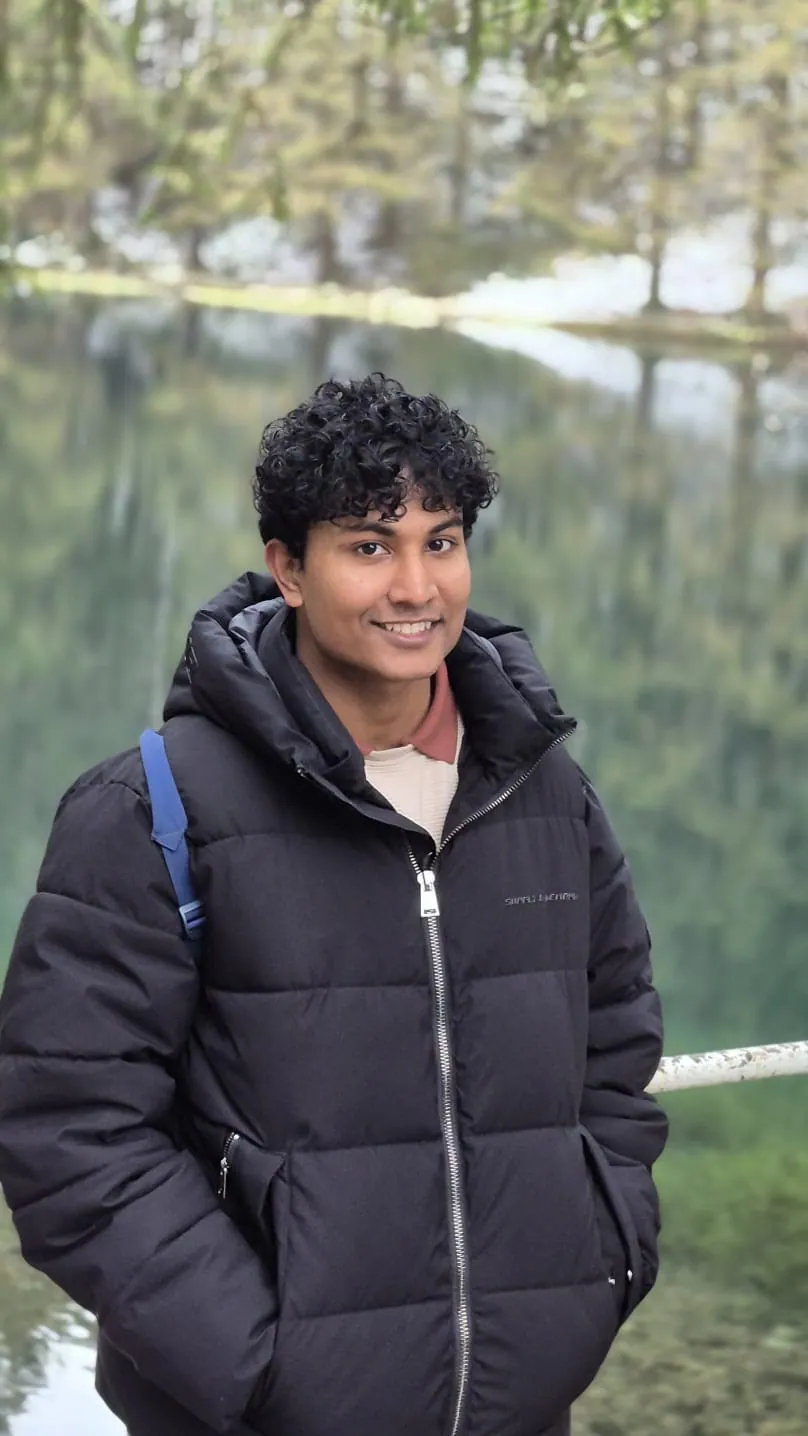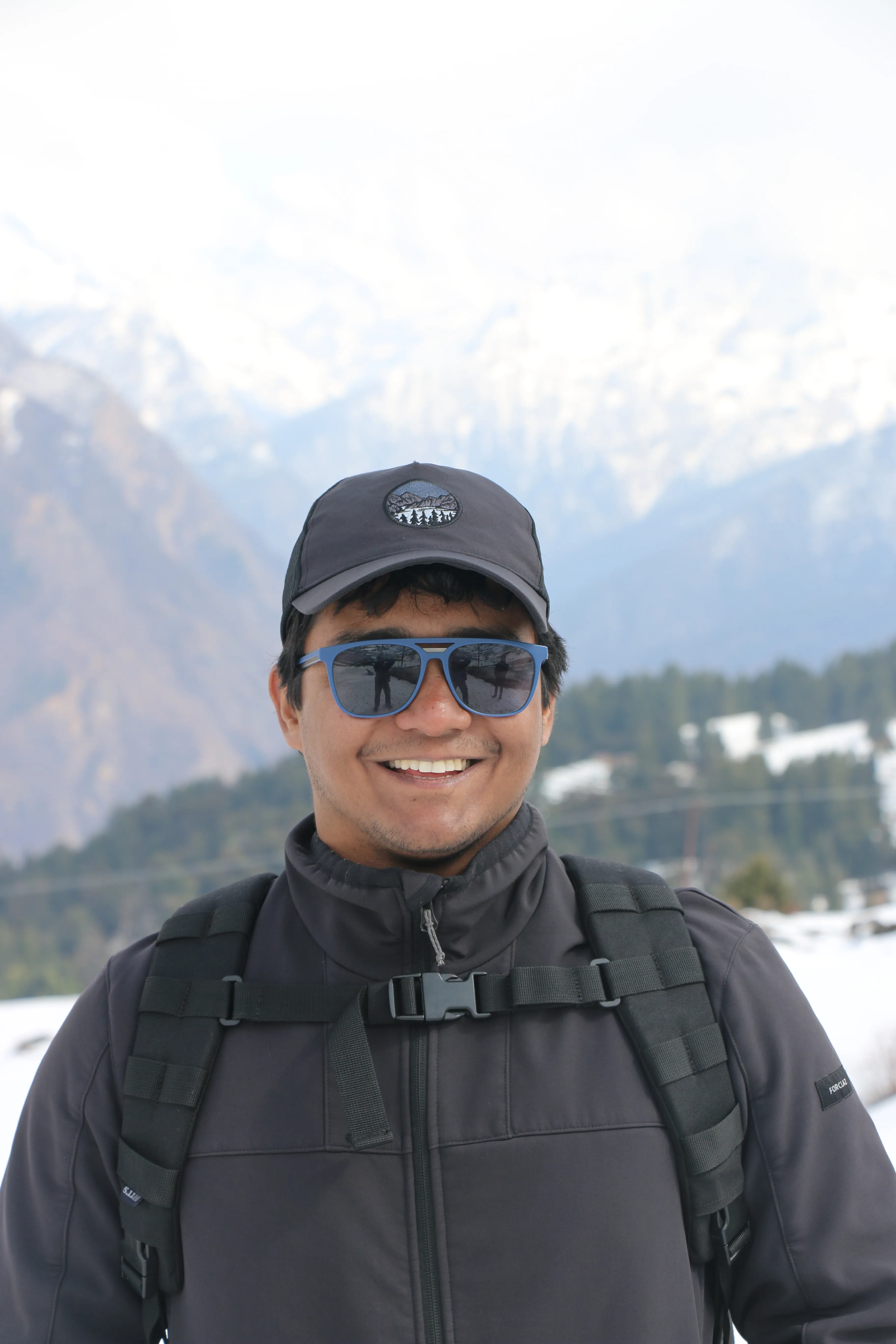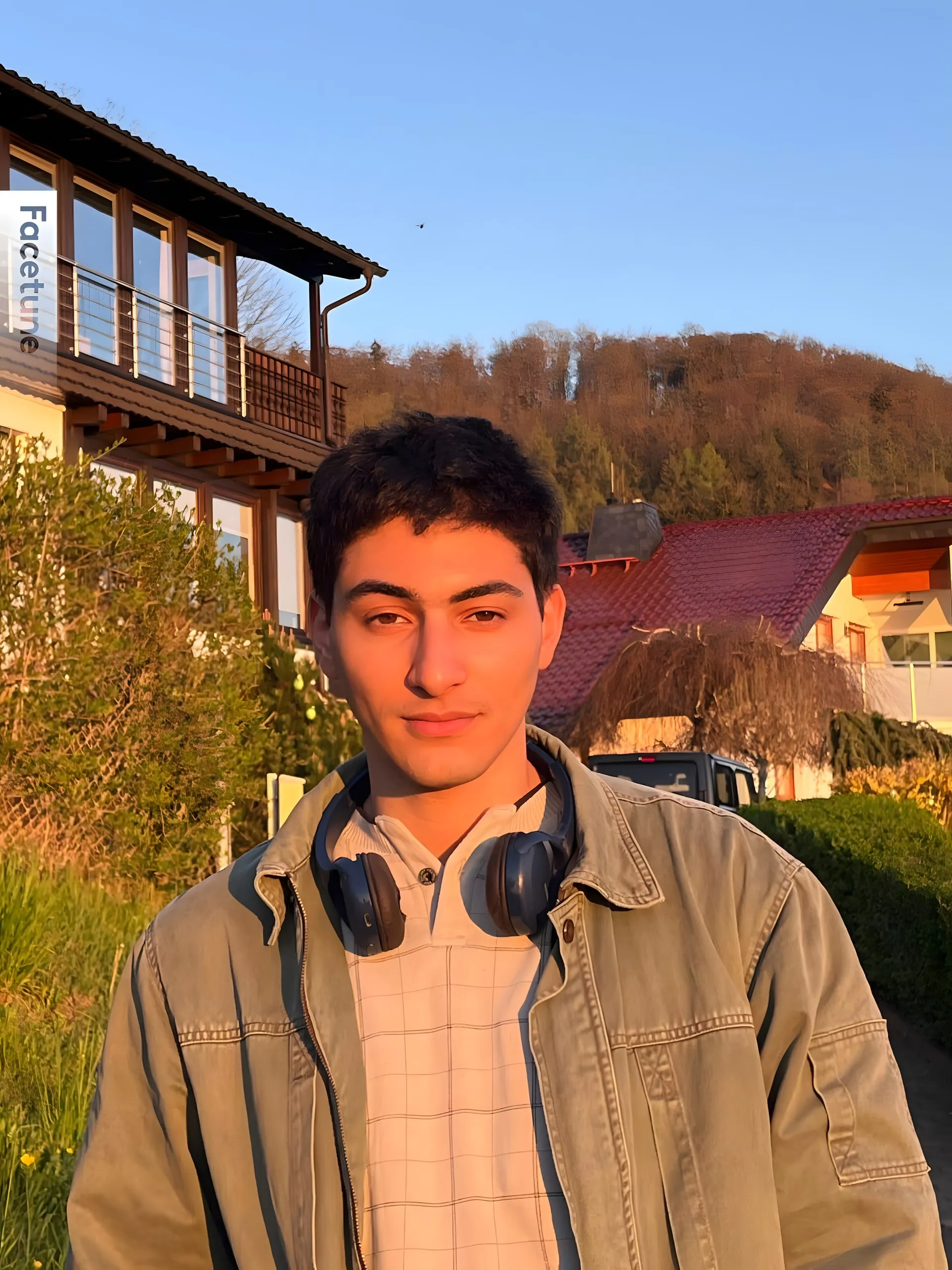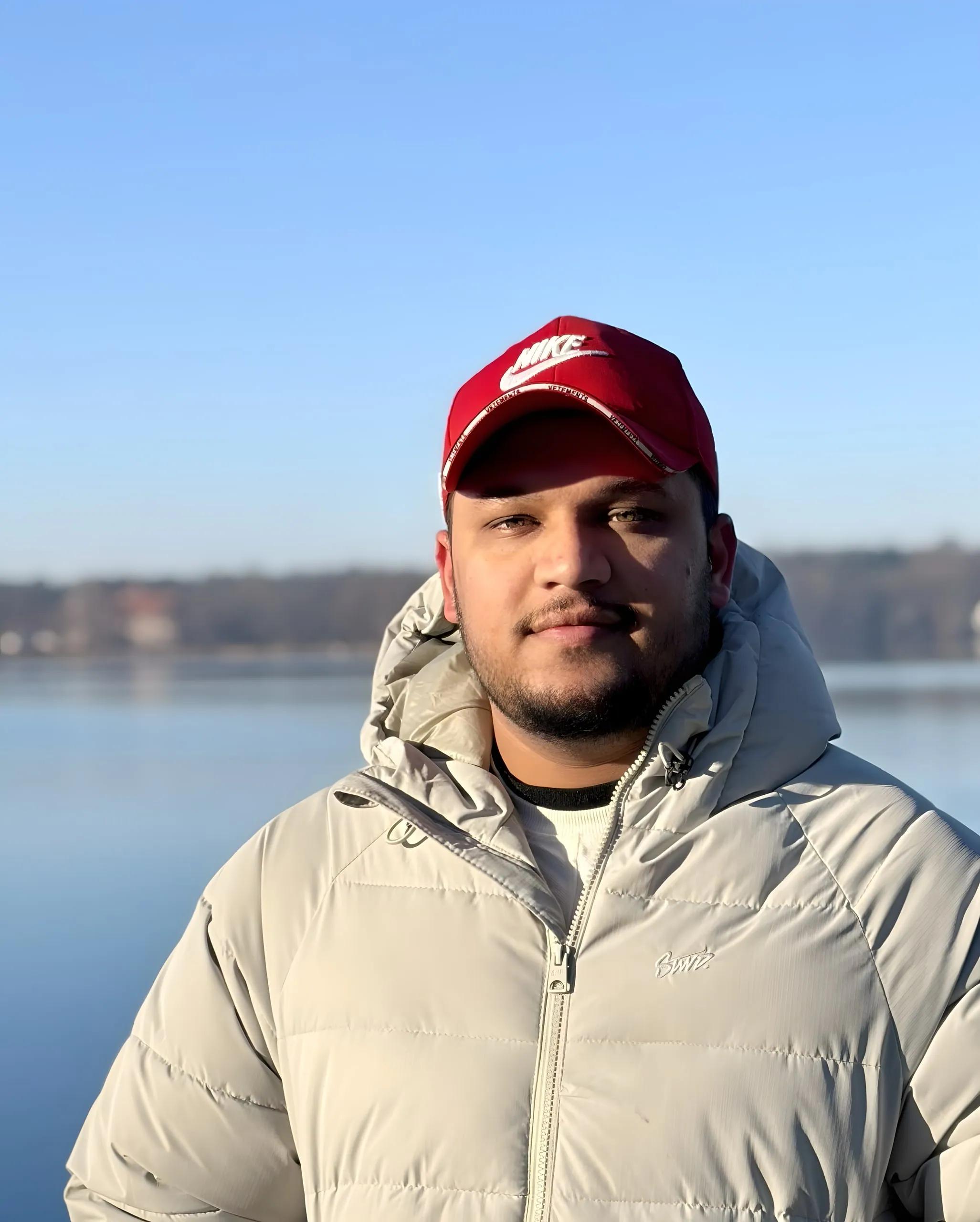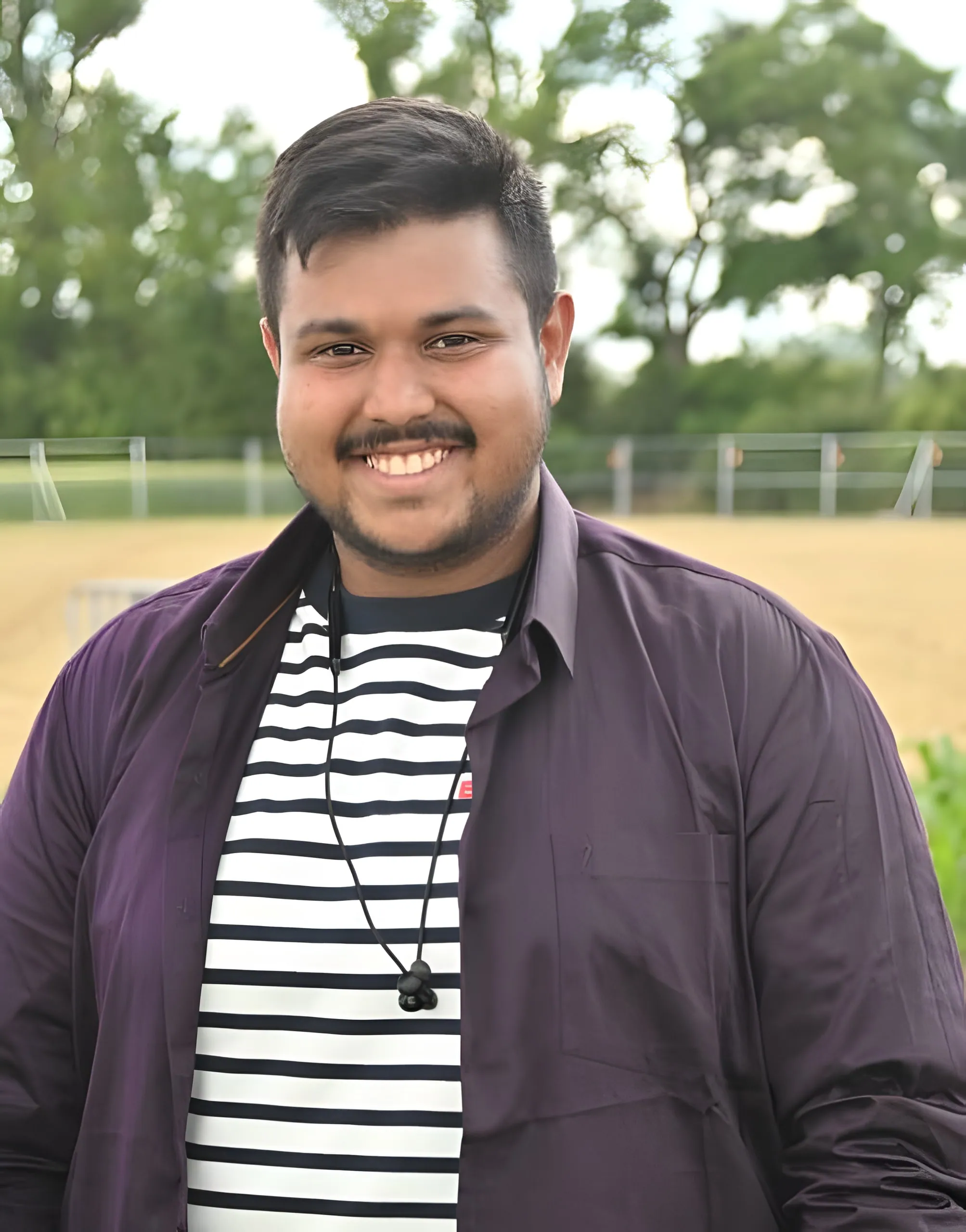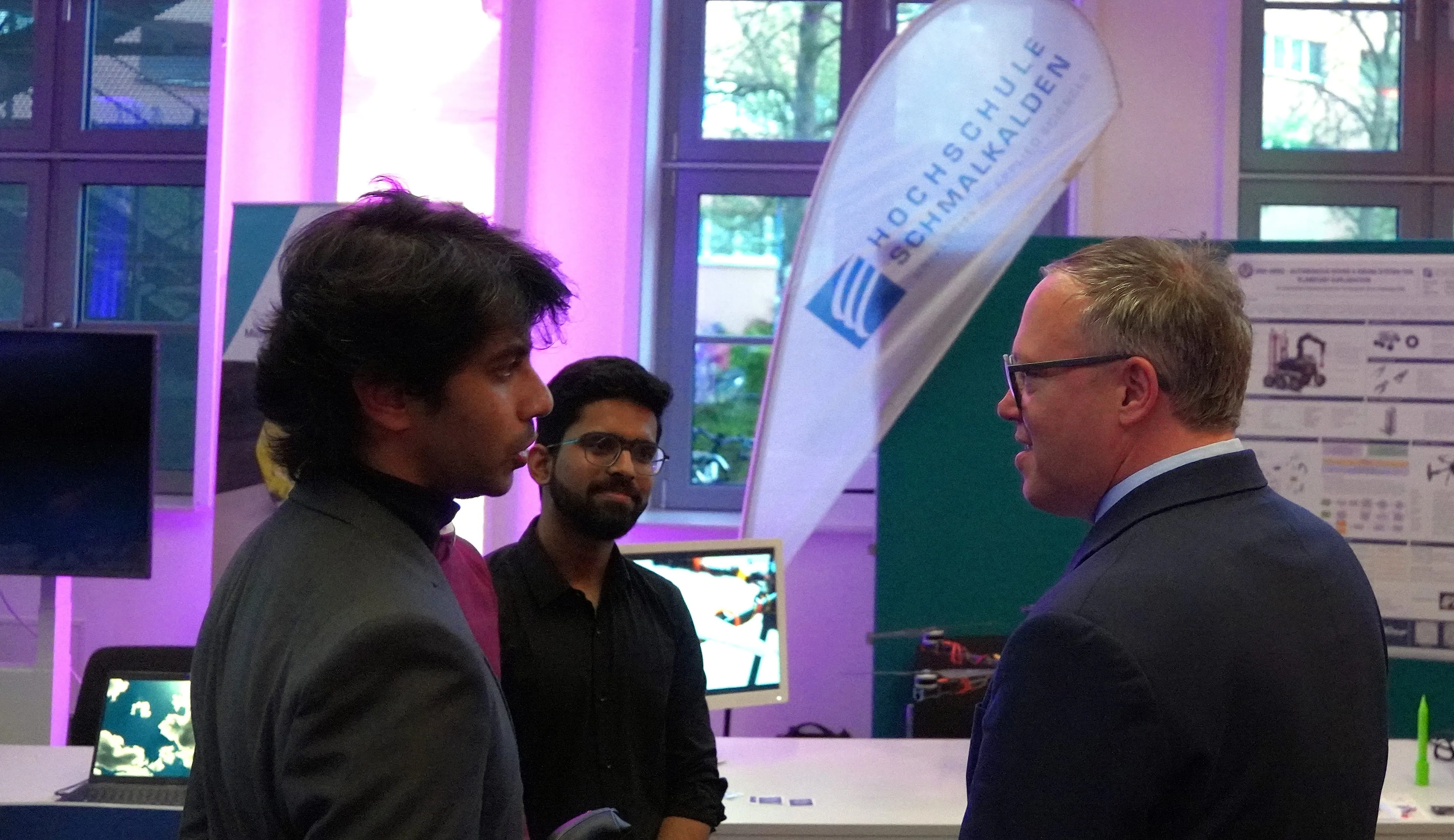
22 student engineers, 2 principal advisors and 5 mentors at Hochschule Schmalkalden. The crew took LEAP-One to the ERC 2026 finals in Kraków — 17th place from 124 registered teams, with 25 finalists and 4th in documentation — and is now building Leap-2.
CREW MANIFEST22 STUDENT ENGINEERS02 PRINCIPAL ADVISORS05 MENTORS08 DEPARTMENTSERC 2026 FINALS · 17TH OF 25 · 1492.25 PTS
02 / PRINCIPAL ADVISORS
The two people guiding the programme.
A faculty advisor at Hochschule Schmalkalden and an industry advisor from precision manufacturing anchor the programme.
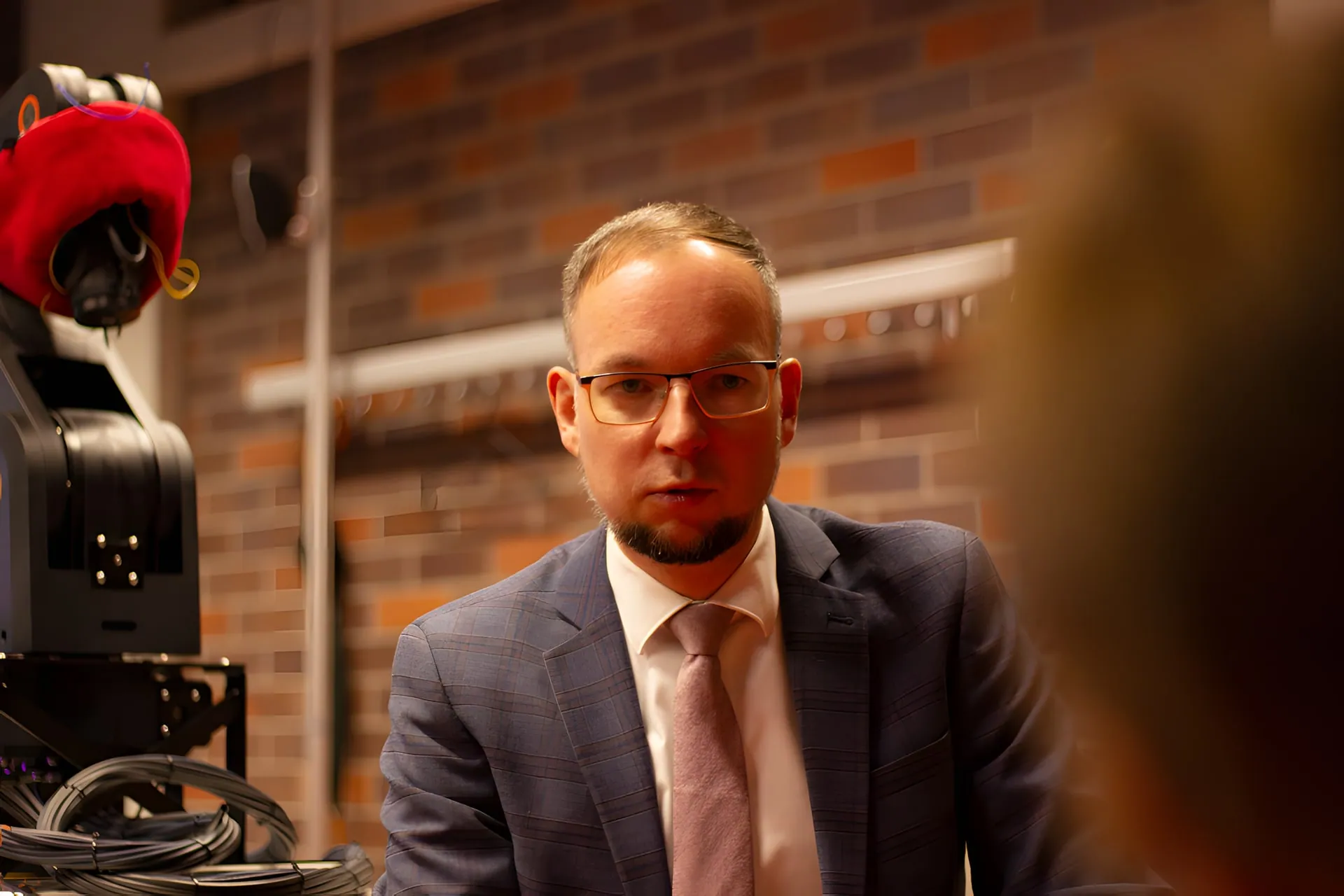
Professor Frank Schrödel provides the academic foundation for HSM Aries: laboratory access, research guidance and the institutional support needed for students to develop and test a rover. His expertise covers control engineering,…
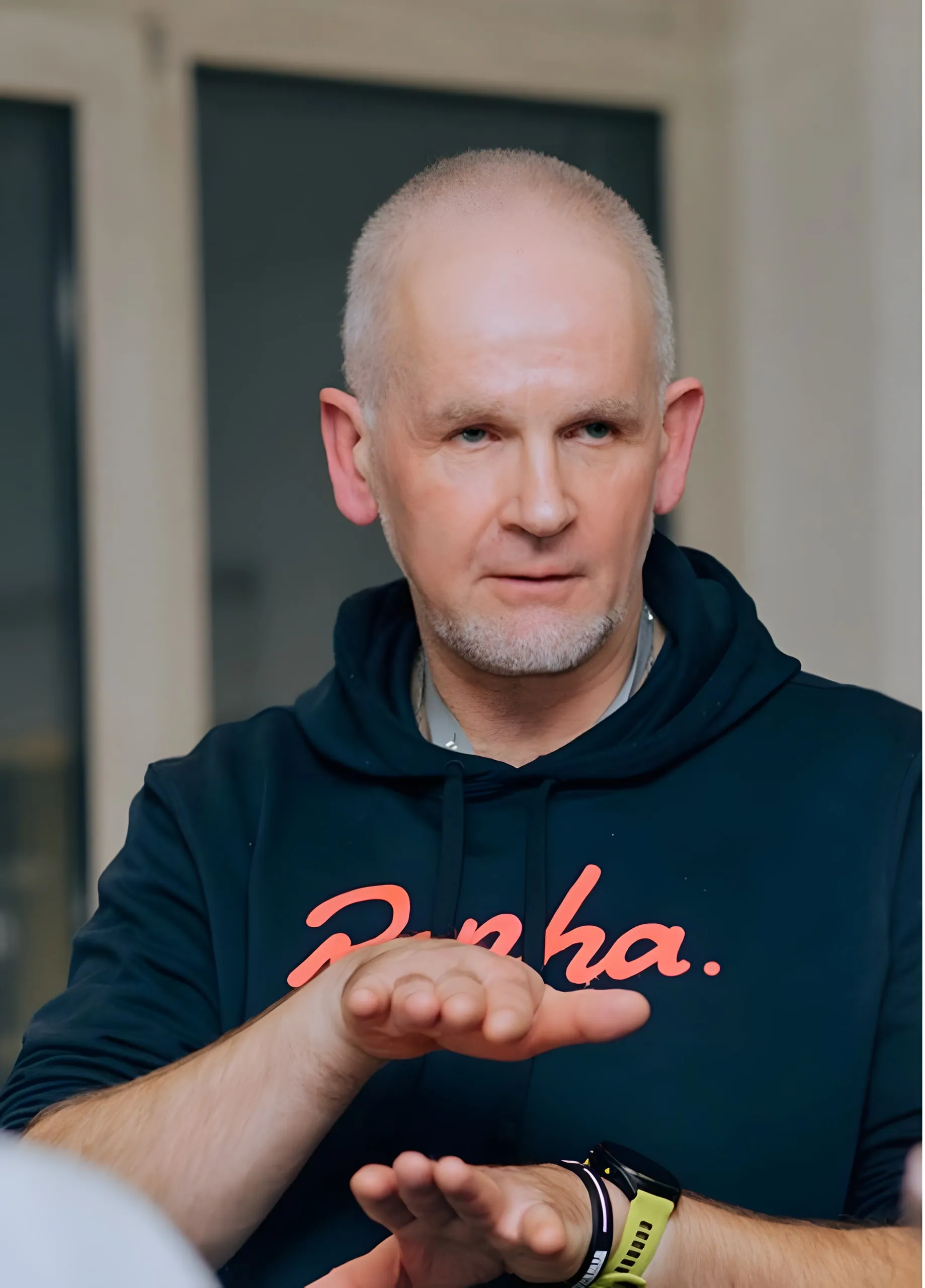
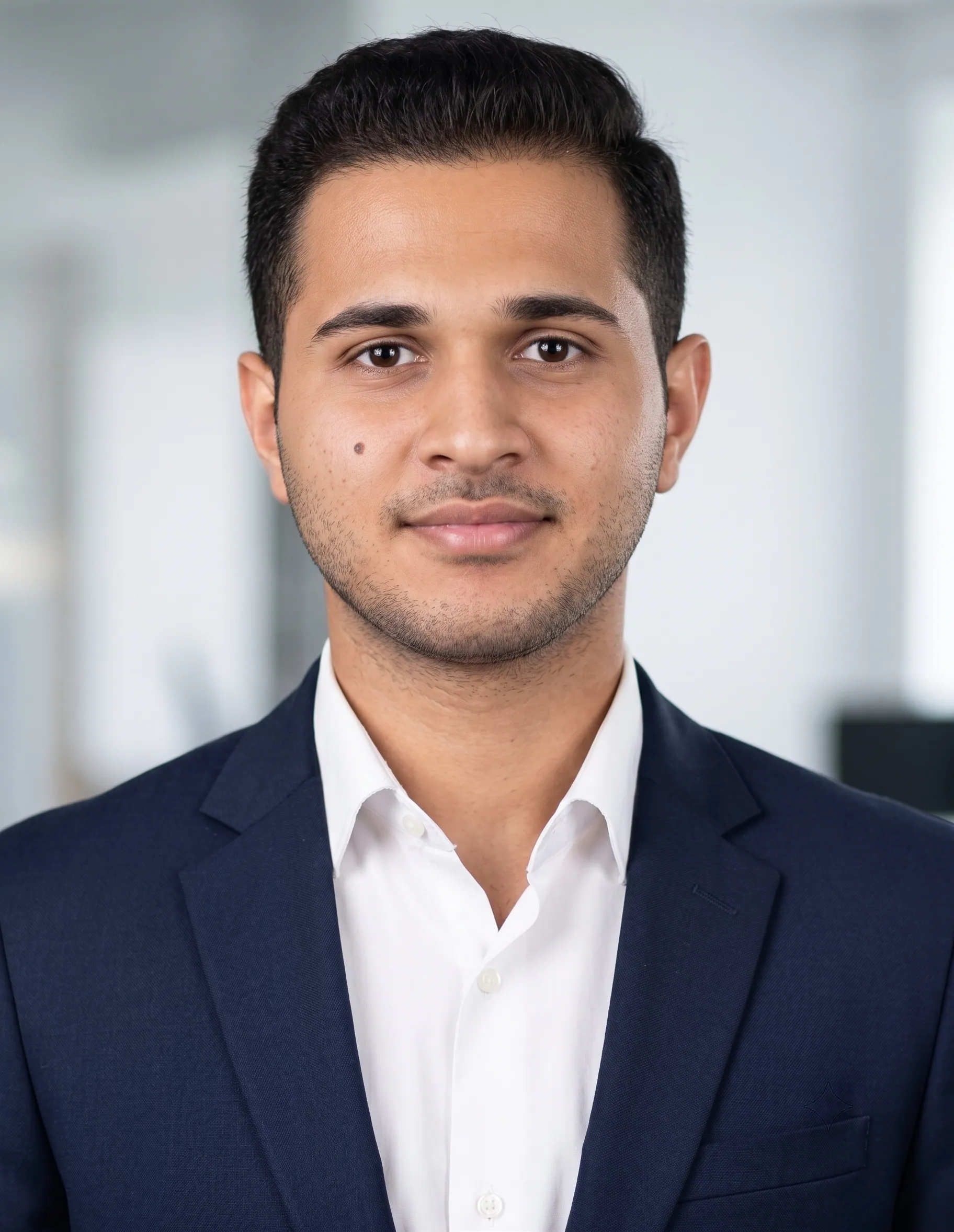
Alexander brings an industry perspective to the principal-advisor team, supporting the programme’s attention to manufacturing, tolerances and the practical robustness of its hardware. His contribution complements the university’s academic…
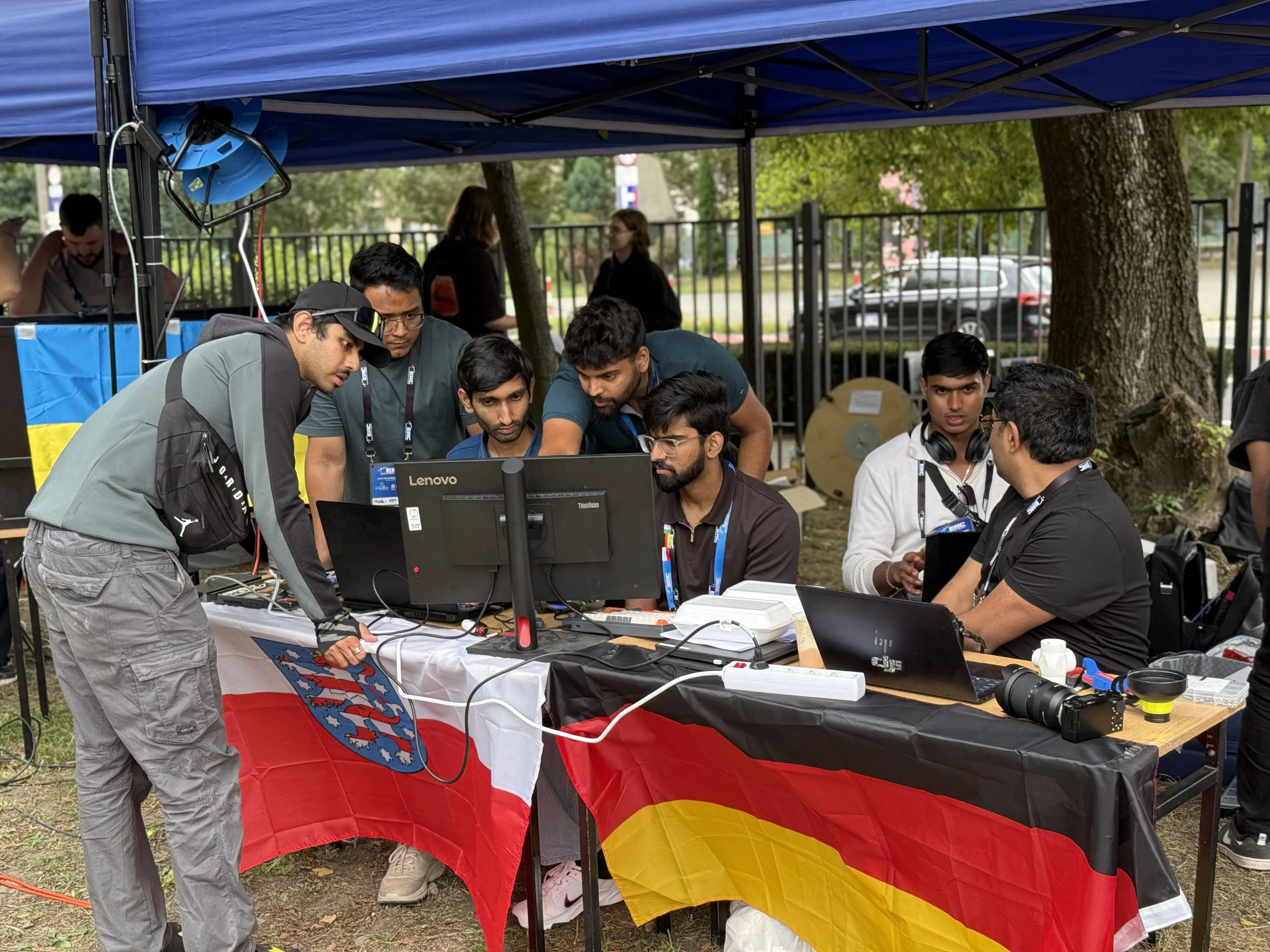
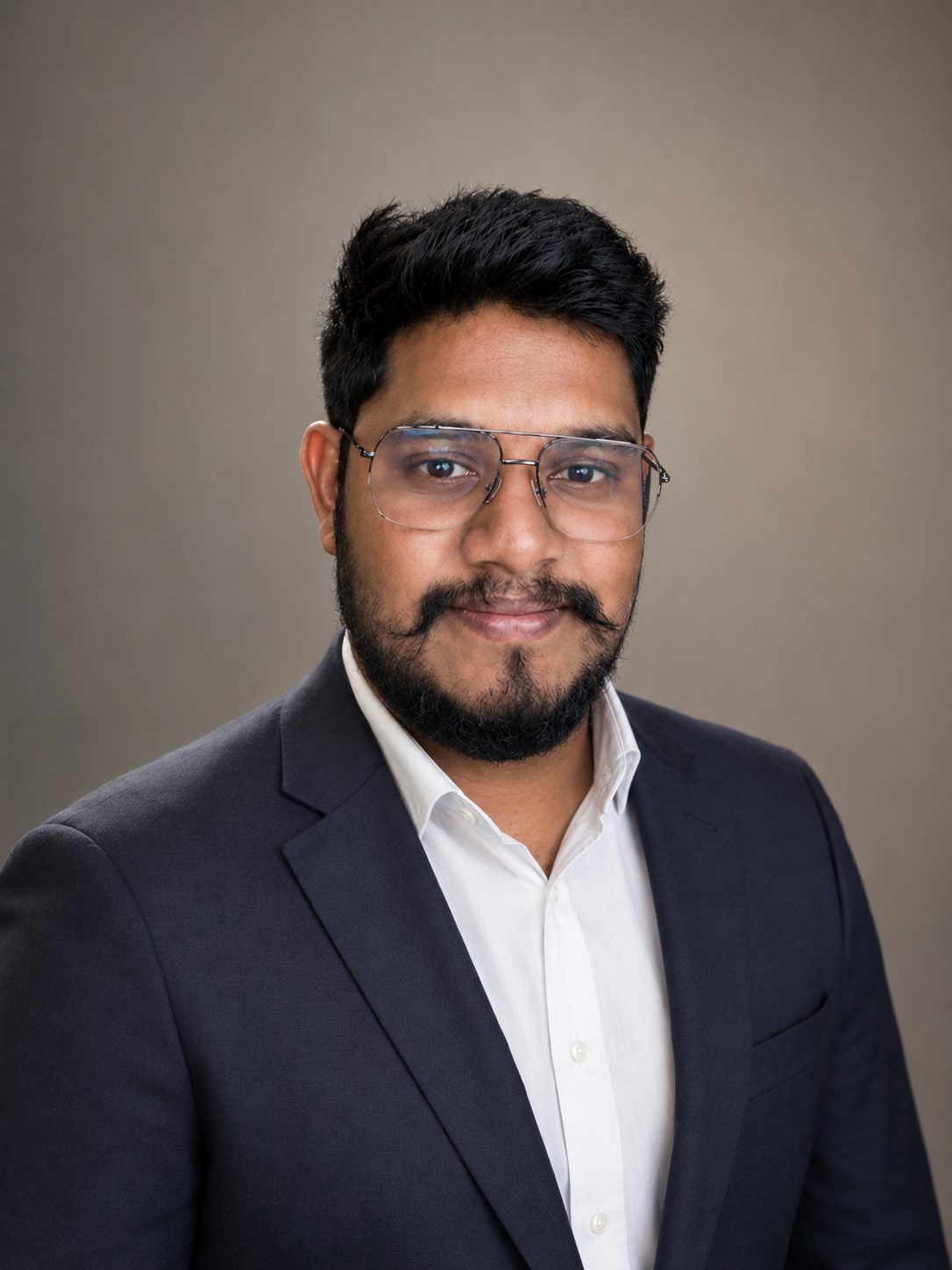
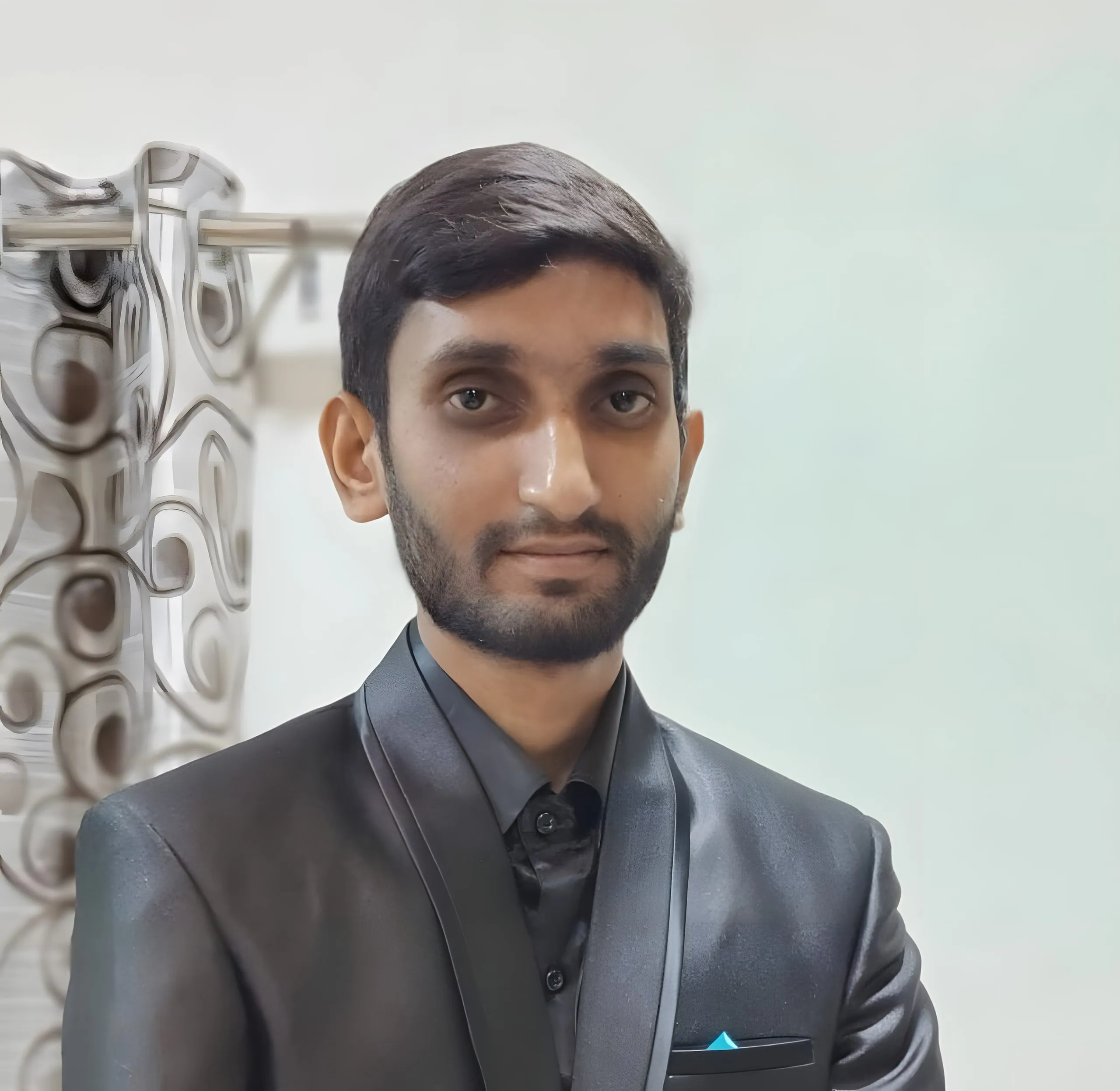
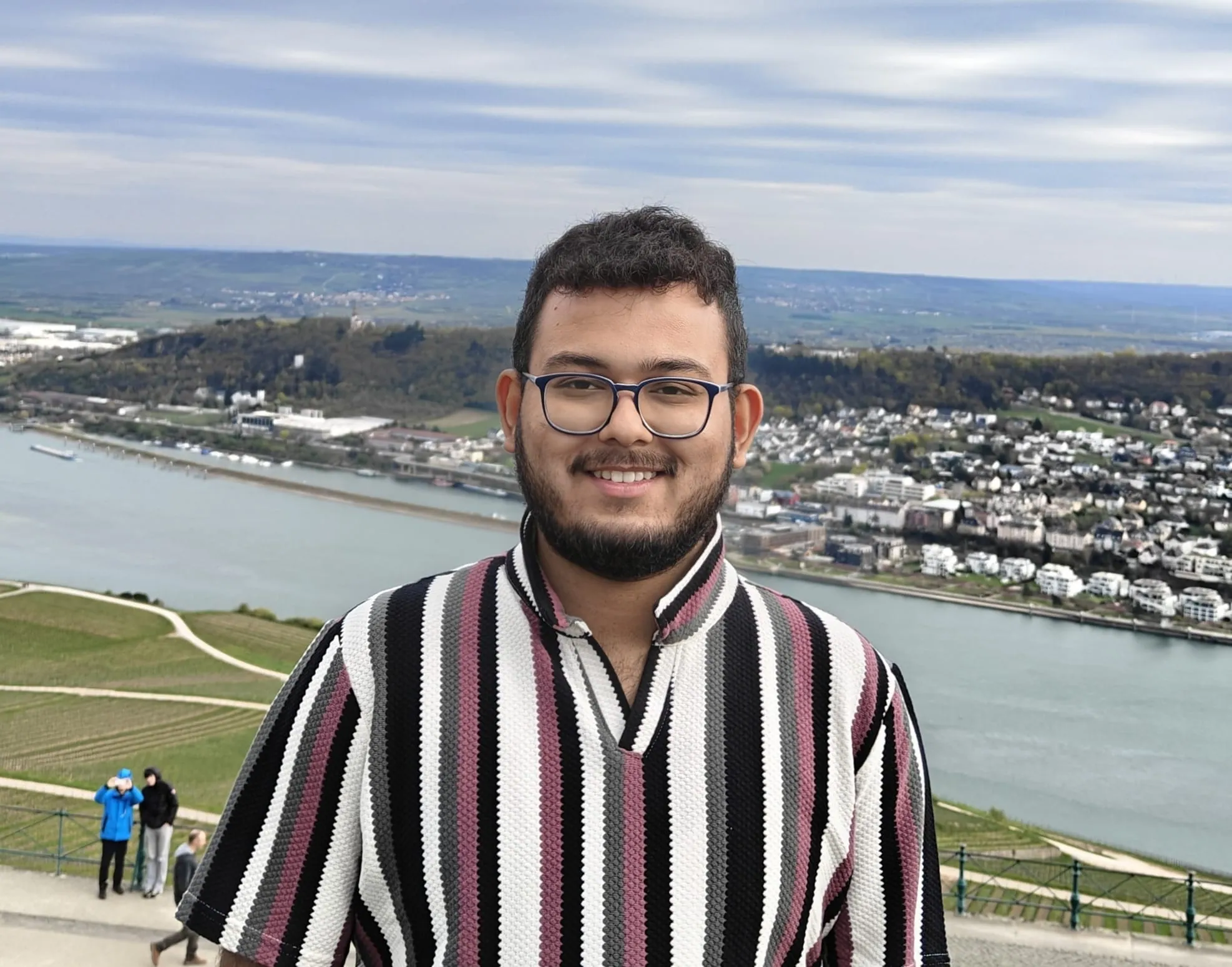
Harsha takes responsibility for the whole LEAP-One mission: keeping mechanical, electrical, software and science work moving towards a rover the team can operate together. His role spans department coordination, system integration and representing HSM Aries beyond the lab. At…
View profile ↗
05 / DEPARTMENTS
Eight teams. One integrated rover.
Eight departments built LEAP-One and are now designing Leap-2. Engineers who serve in more than one are listed in each; rank insignia are shown at primary posts only.
05.1 / MECH
Mechanical & Drivetrain
04 CREWERC 2026 · mass −22 / 200, the only negative score in the field
Weekly design reviews align mechanical interfaces, power distribution, communications, autonomous software, scientific payloads and mission operations. Each subsystem is verified against shared requirements before vehicle-level integration.