We write the record as we build
Documentation placed 4th of 25 at ERC 2026. The design record is kept alongside the hardware and handed from one cohort to the next.

DRIVE · AUTOMATION · ROBOTICS

The space robotics initiative of the Chair of Drive, Automation, and Robotics Technologies at Hochschule Schmalkalden—engineering planetary systems from first sketch to field test.
HSM Aries brings mechanical engineering, electronics, autonomous software, scientific payloads and mission operations into one space robotics initiative.
LEAP-One is Project 01 in the LEAP series. From 124 registered teams, 25 qualified for the ERC 2026 finals in Kraków. We finished 17th with 1492.25 points on our first attempt, without major sponsorship. With gratitude to the partners who supported us, we see this as the beginning. Leap-2, Project 02, takes that experience forward.
LEAP series, from the first rover to the next.
First rover of the LEAP series.
AGH Kraków, 25 finalist teams.
25 finalists · 1492.25 of 3000 points.
364.25 of 400 points.
265 of 300 points.
Project 02 · in development
Explore Leap-2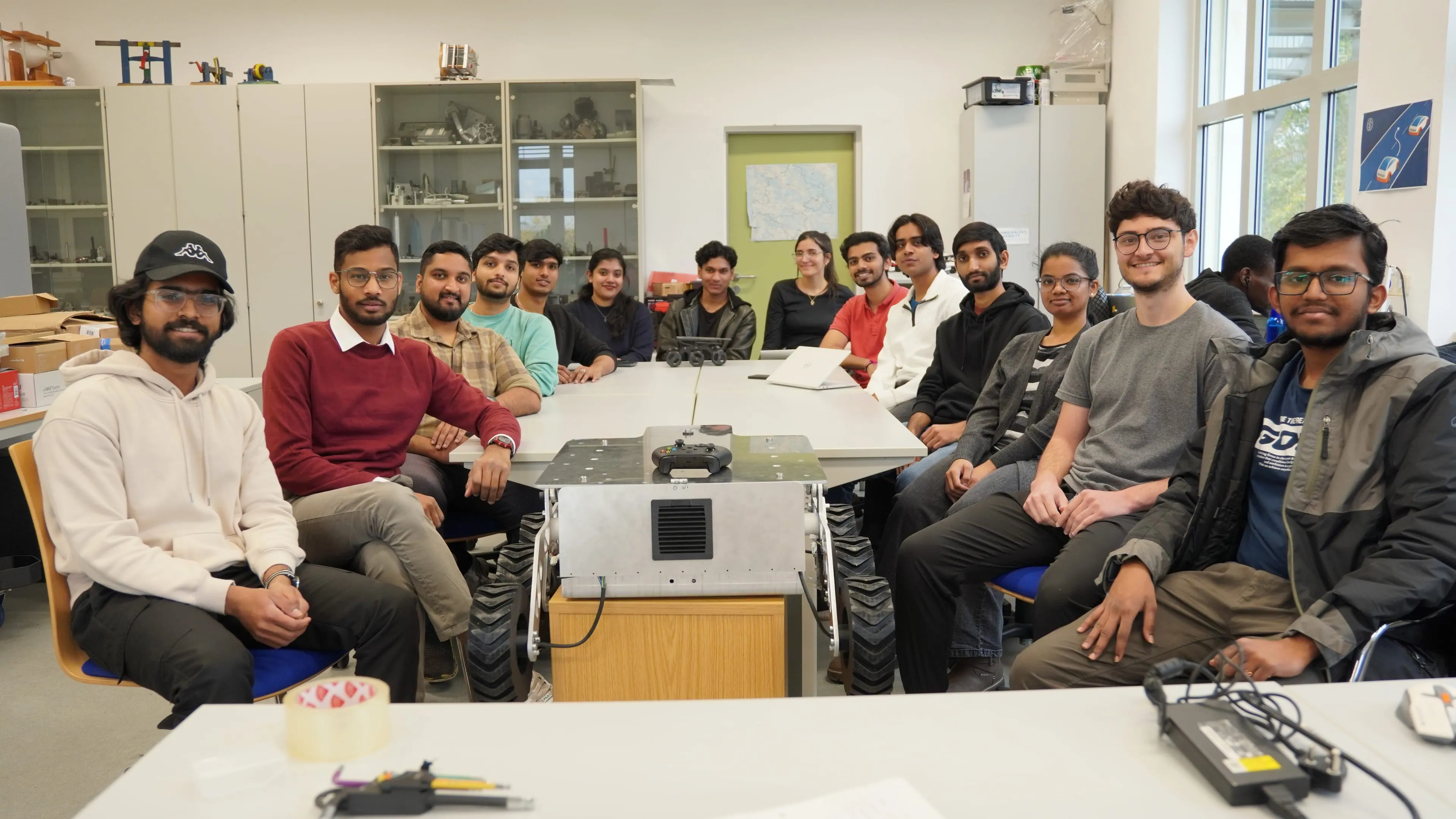 SEMINAR ROOM / SCHMALKALDEN
Documentation placed 4th of 25 at ERC 2026. The design record is kept alongside the hardware and handed from one cohort to the next.
CAD, finite-element checks, firmware bench validation and field trials each have to pass before the next stage starts.
Modular architecture survives harsh terrain. Swappable payloads and robust linkages outlast clever complexity.
Undergraduate and postgraduate students from mechanical, electrical, software and science backgrounds share one lab, one rover and one deadline.
Start with the mission, terrain and science objective.
Model every interface across mechanical, electrical and software teams.
Machine, print, wire and integrate in the Schmalkalden lab.
Test in the field, learn from failure and return stronger.
Each department owned one subsystem of LEAP-One and now carries that architecture into Leap-2. The cards list what was built, who leads it, and link to the people behind it.
LEAD / Brahama Teja Naroju
Aluminium 3.3535 chassis architecture, differential rocker-bogie suspension, and six custom TPU wheels driven by Botwheel BLDC motors and ODrive S1 controllers.
LEAD / Danny Sneham & Brahama Teja Naroju
Igus ReBeL 6-DoF manipulation with a modular 3D-printed gripper, paired with a 530 mm coaxial auger system for deep regolith collection.

LEAD / Omar Abdelrady
ROS 2 on Ubuntu 24.04 combines RealSense depth sensing, EKF localization, Pure Pursuit path following and Dynamic Window Approach obstacle avoidance.

LEAD / Ayan Akbar Ali
A 25.6 V, 60 Ah LiFePO₄ main bus from four 12.8 V modules powers centralized distribution, regulated rails, CAN-connected motor control and the safety system.

LEAD / Rahul Khandait
Developed in collaboration with HSM Zenith, HSM’s aeronautical division: an autonomous reconnaissance UAV for aerial orthomosaic mapping, terrain hazard scanning, and cooperative rover-drone telemetry downlinks.
LEAD / Anantha Pathmanabhan
Environmental, gas, pH, turbidity, Raman and microscopy instruments pair with load-cell sample verification and a peristaltic liquid-handling system.

LEAD / Vighnesh Madhav Deshmukh
The primary Ubiquiti AirMAX TDMA link carries telemetry and 720p video, while 2.4 GHz ExpressLRS provides an independent command and backup path.
LEAD / Reeba Biju
Coordinates sponsor relations with industry partners (Boehm Group, SICK), public exhibitions at Space Night, media documentation, and logistics.
 01
01
Team Lead LEAP-One
 02
02
Mechanical Lead & Manipulator Lead
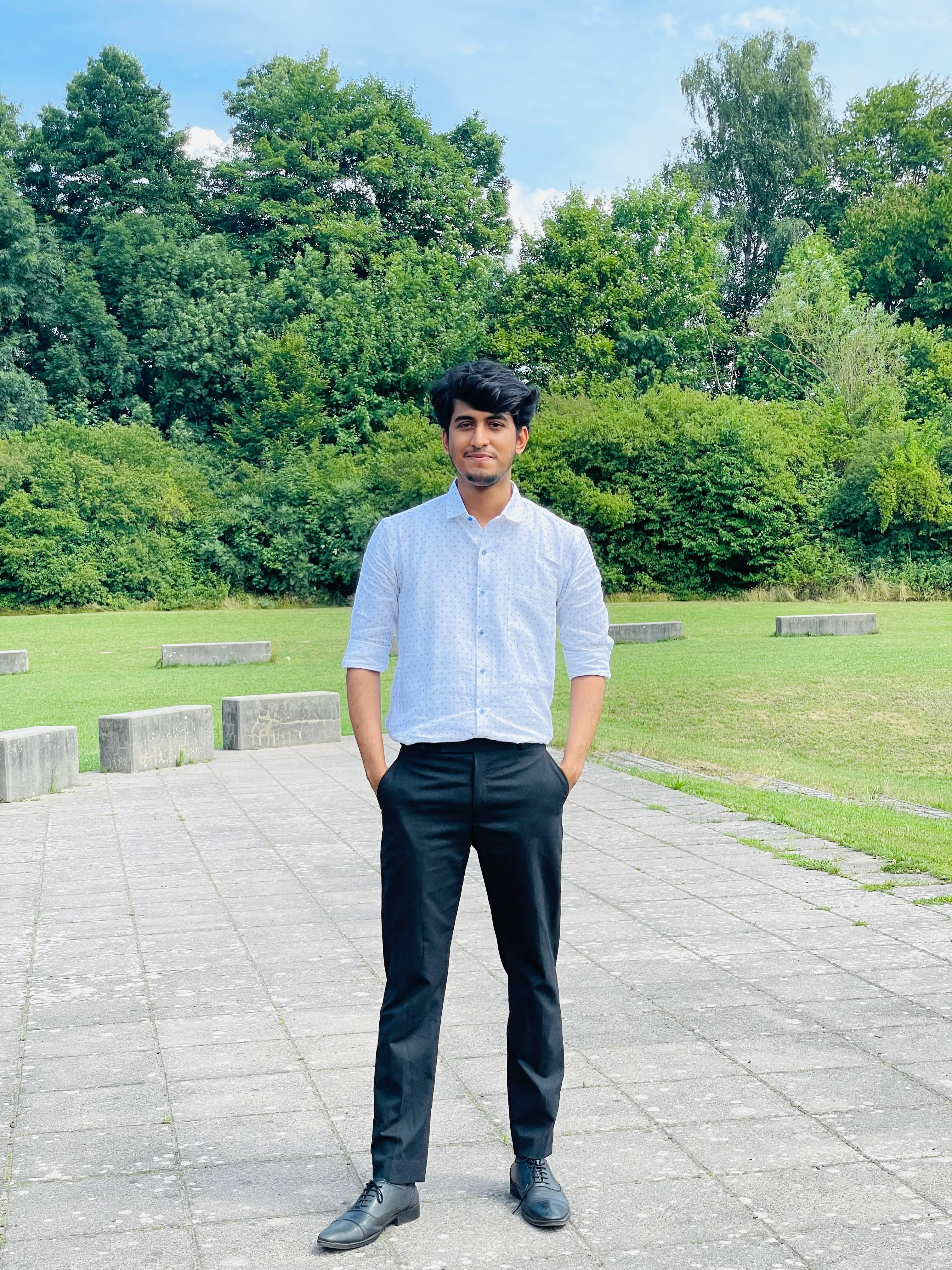 03
03Electrical Department Lead
 04
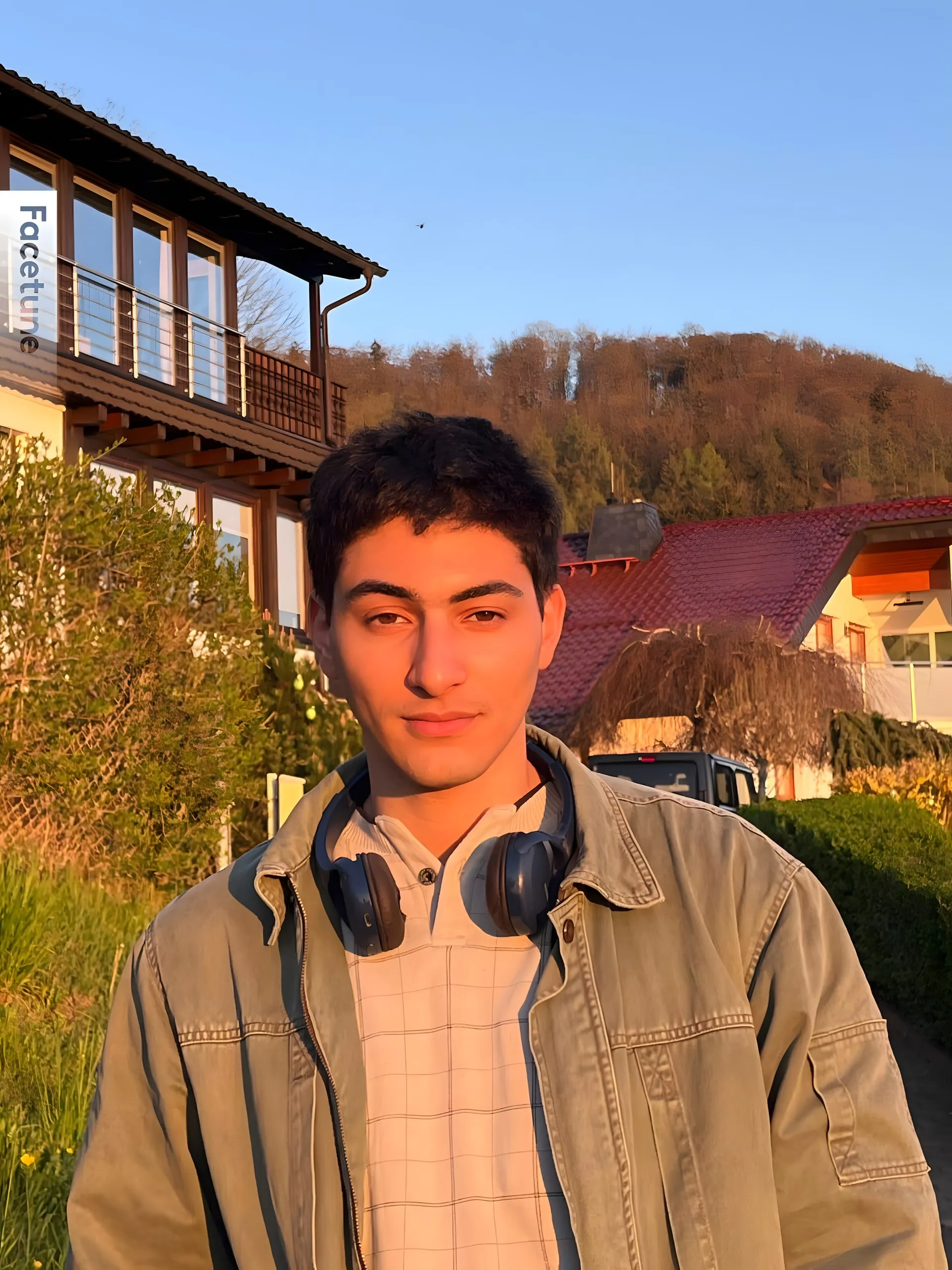
04Software Department Lead
 05
05Communication Lead & Software Engineer
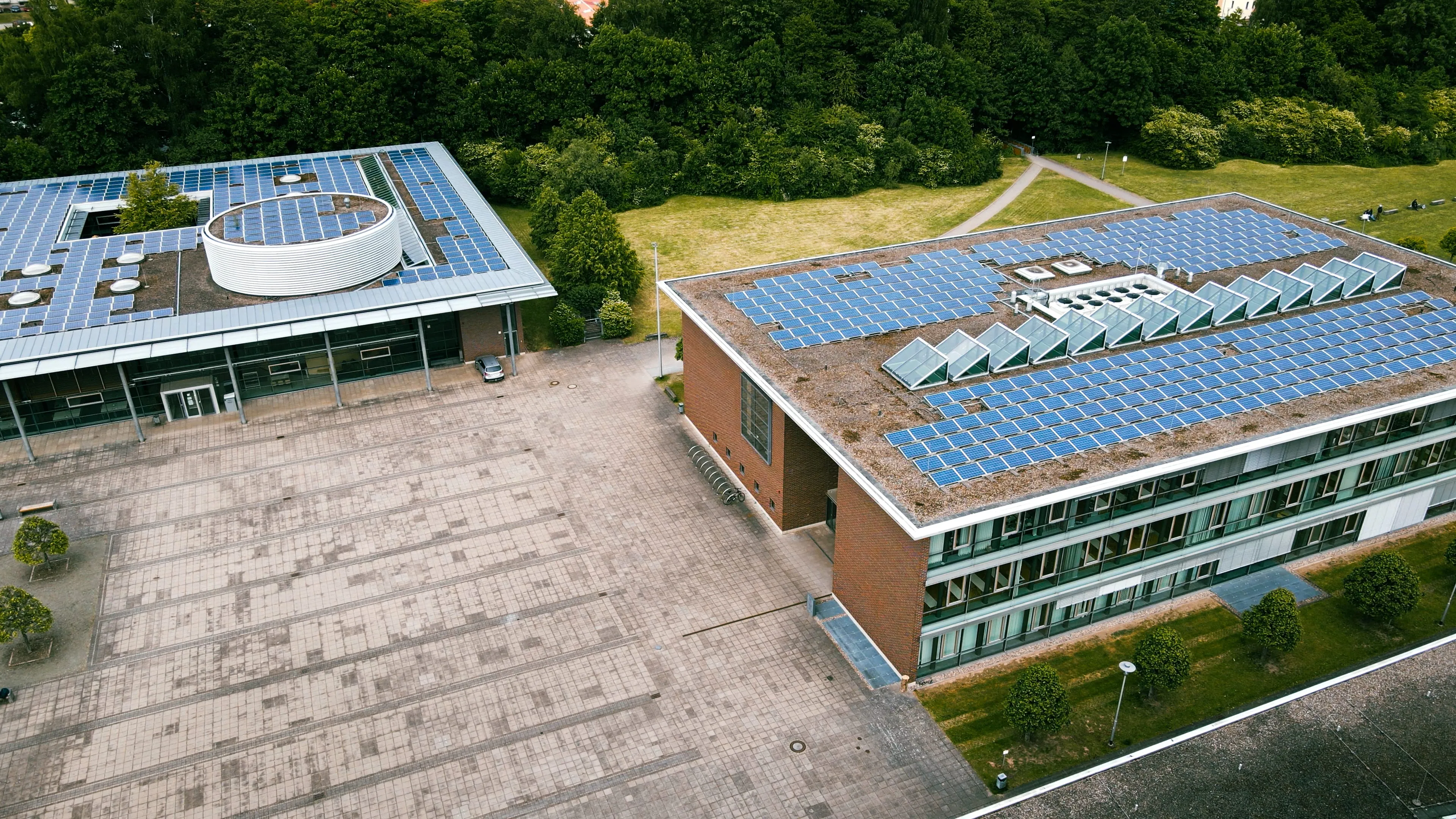 50.7147° N / 10.4657° E
HSM Aries is rooted in the Chair of Drive, Automation, and Robotics Technologies at Hochschule Schmalkalden, bringing students and disciplines together in a shared robotics lab.
Visit Hochschule SchmalkaldenAcademic faculty, university mentors and industry experts help the crew turn ambitious ideas into robust engineering.
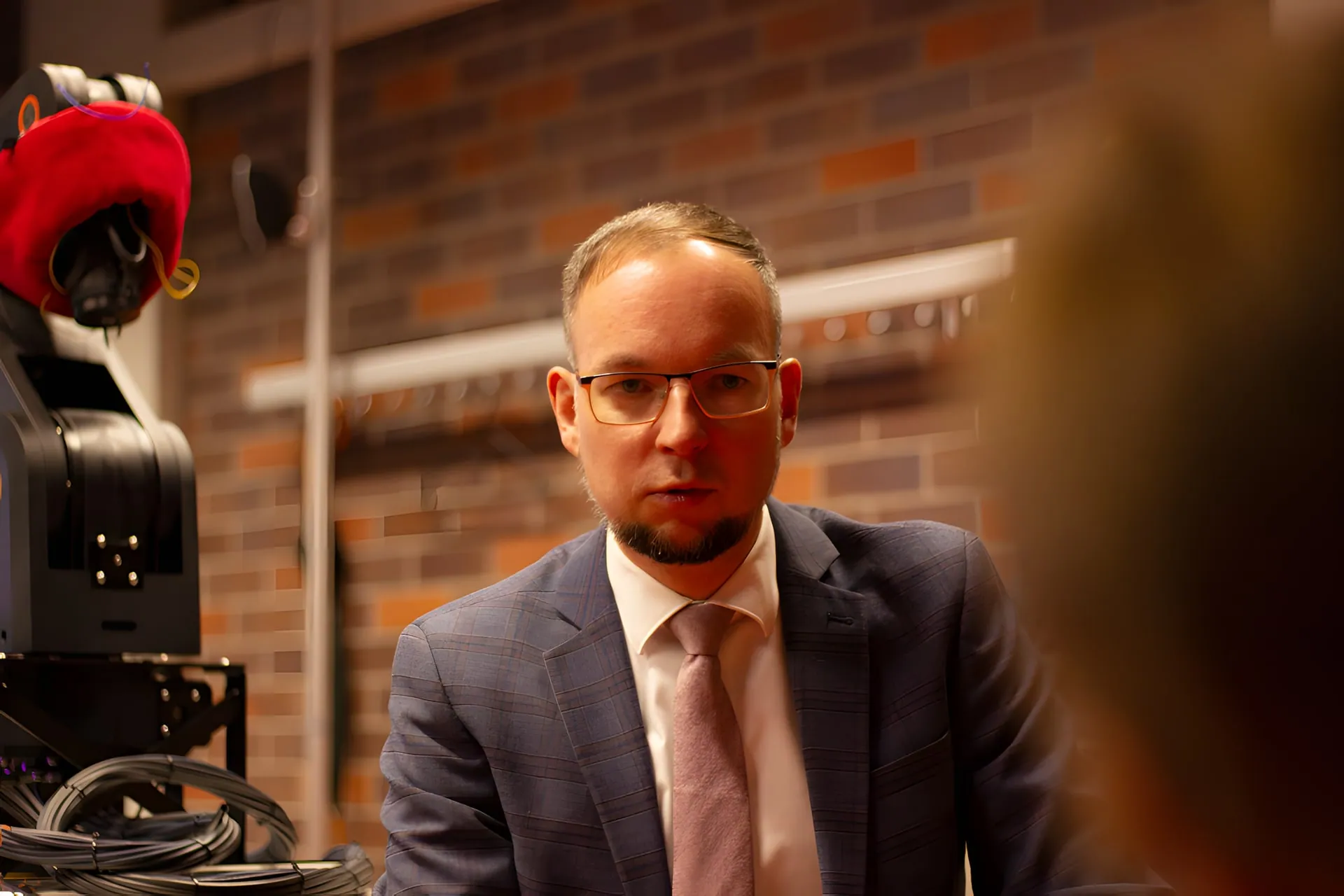
Faculty Advisor
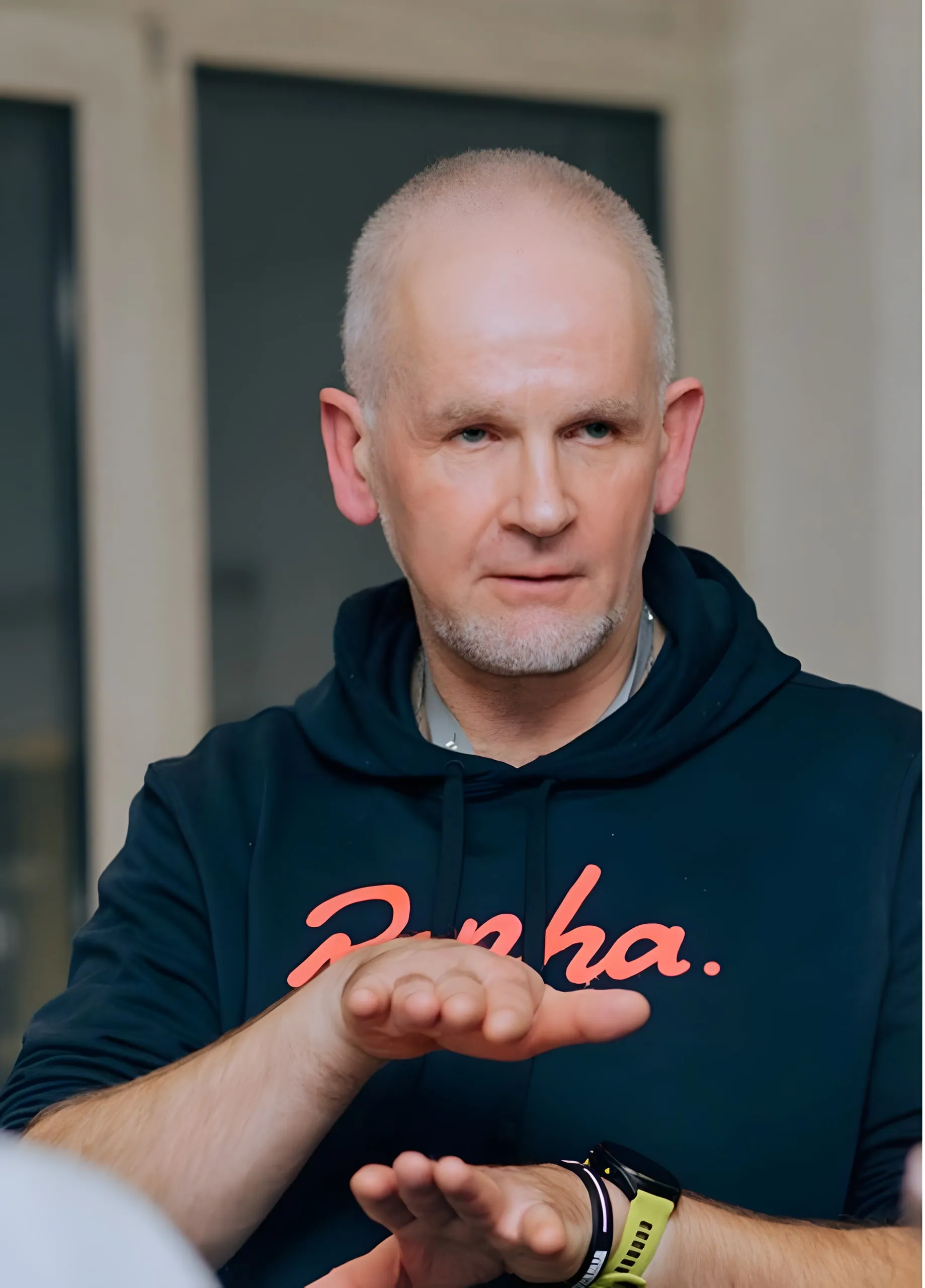
Industry Advisor
University Mentor

Industry Mentor

University Mentor

University Mentor

University Mentor
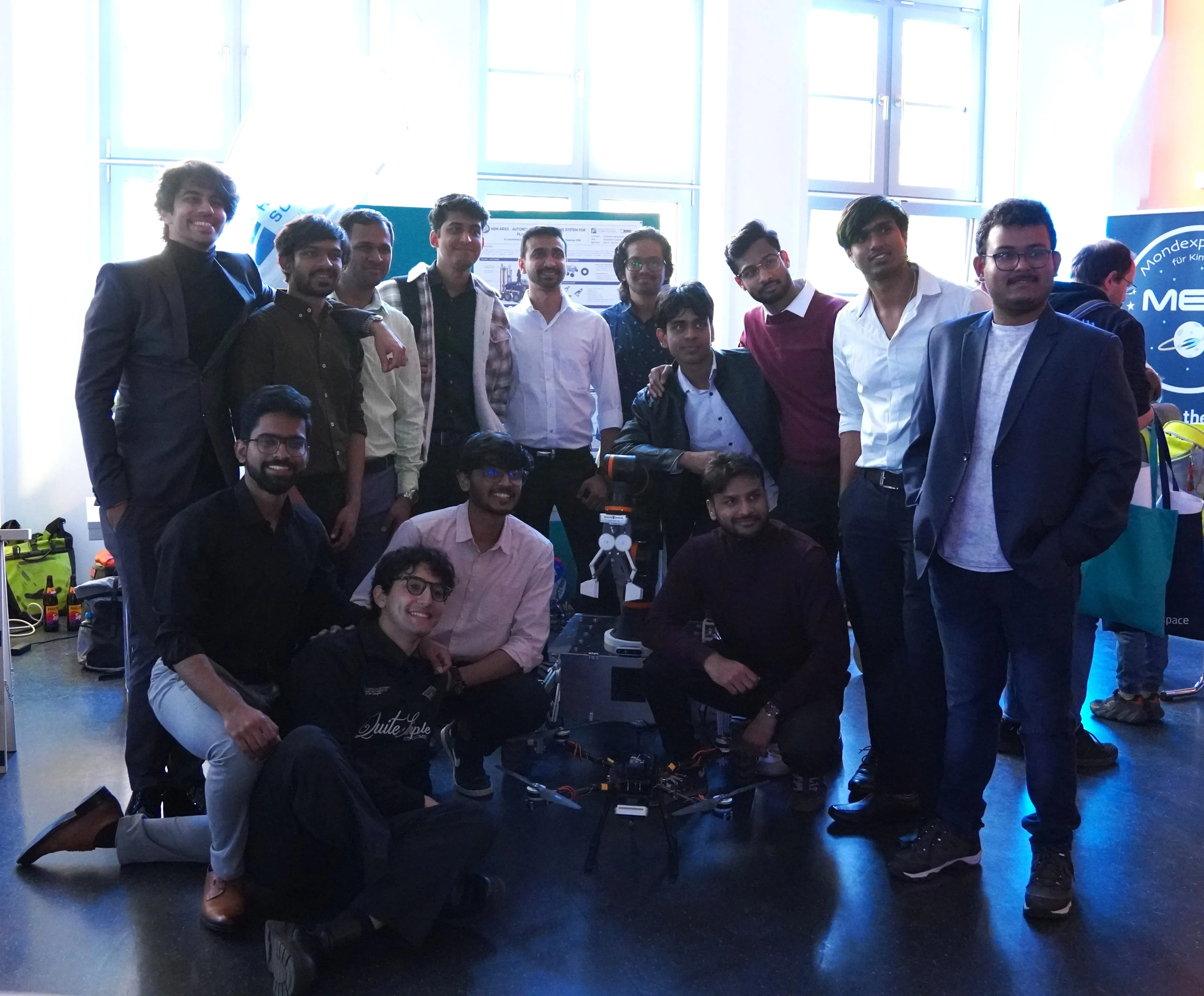
The team works directly with industry leaders such as Boehm Group GmbH, pitching mechanical architecture and learning how rover subsystems move from student design to precision manufacturing.