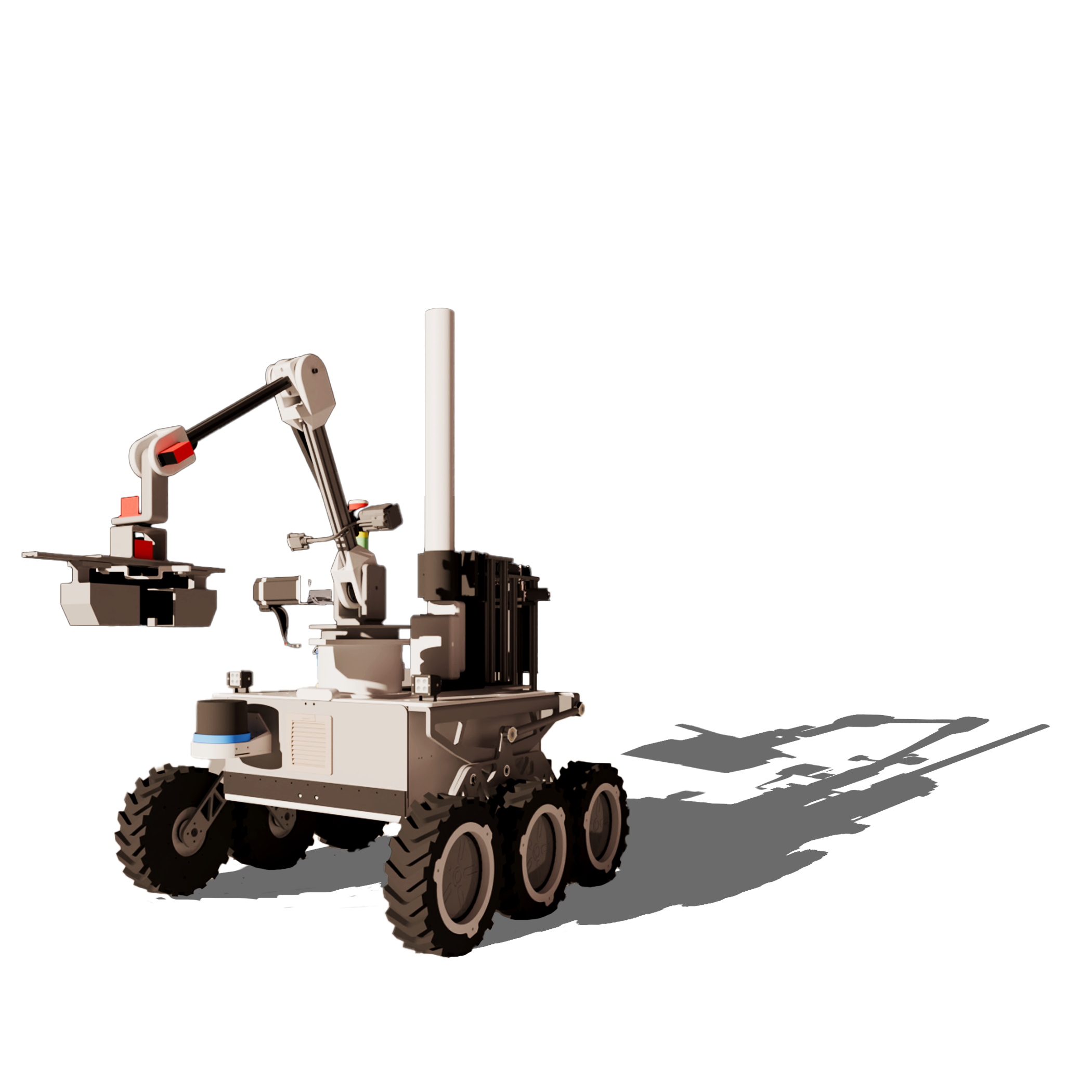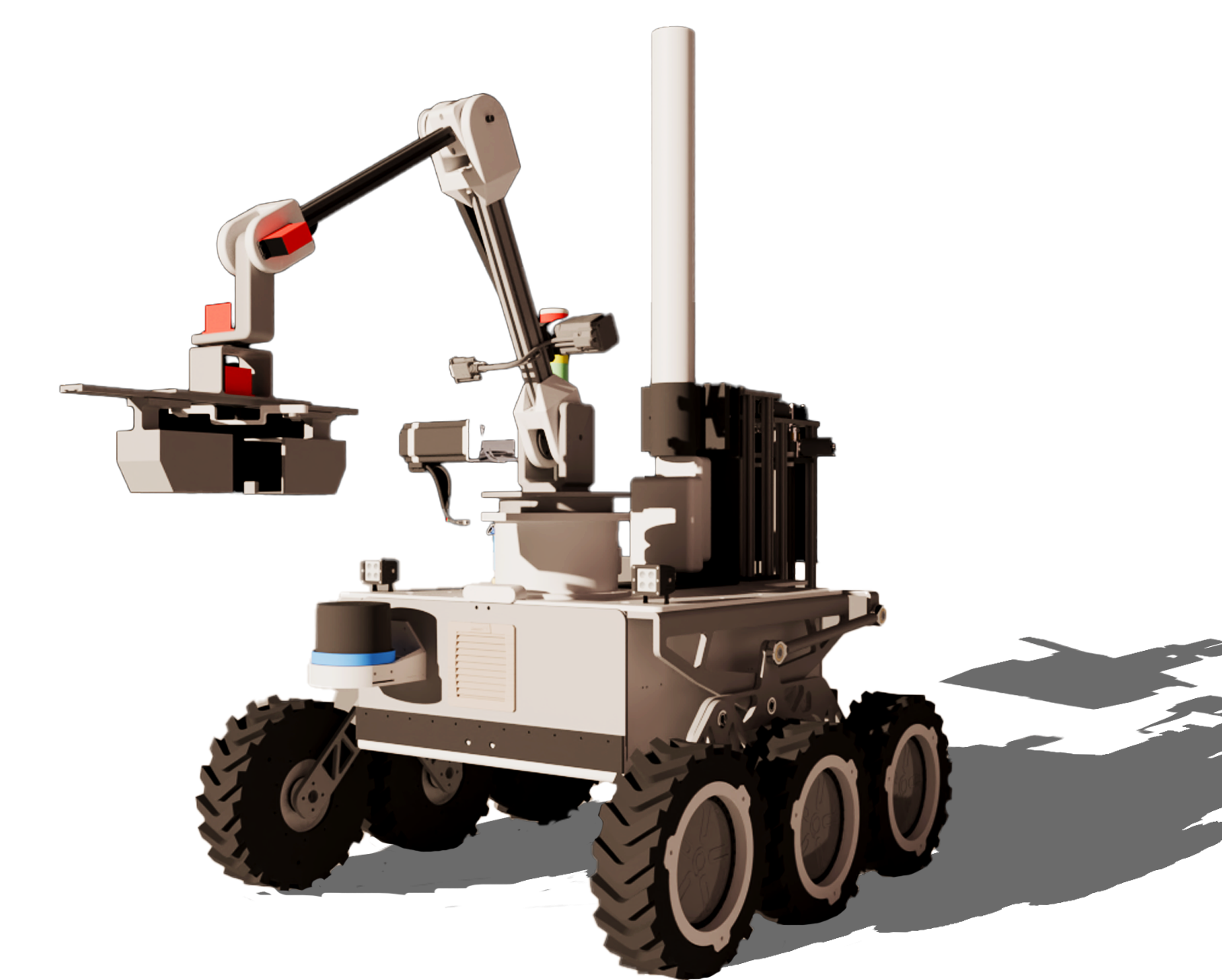

Schmalkalden, Germany — The Drill Department at HSM Aries.space has successfully concluded an intensive series of subsurface sampling tests. This critical milestone was designed to gather empirical data for our upcoming peer-reviewed research paper, which will be presented at ICARM 2026 (International Conference on Advanced Robotics and Mechatronics).
Our upcoming publication is titled:
“Hierarchical Mars Surface Exploration with LEAP-One: A Compact Rover for Fast Reconnaissance and Subsurface Validation.”
Optimizing Custom Auger Design
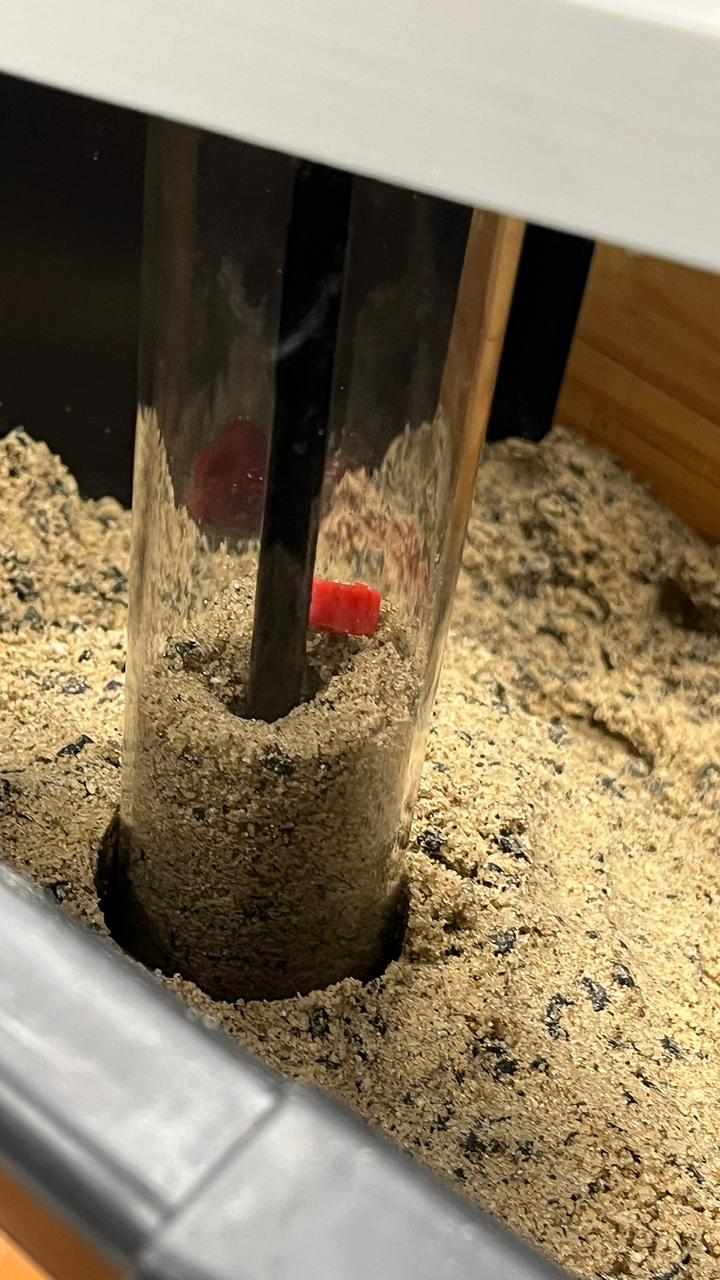
The primary focus of this testing phase was to evaluate the efficiency of our custom auger design when operating in various regolith simulants. To achieve this, the engineering team established a highly controlled testing environment to measure critical performance metrics during deep-core penetration.
Key elements of the testing setup included:
- Drill Bit Geometry: We tested three distinct drill bit geometries to determine which configuration delivers the highest sample integrity with the lowest power consumption.
- Torque & Thermal Dynamics: Real-time monitoring of torque requirements and heat generation to prevent mechanical failure during drilling operations.
- Pressure Sensors: Sensors embedded within the simulant containers measured the pressure exerted by the drill at various depths.
- Contamination Control: The data collected is vital for our science team to assess and mitigate the risk of cross-contamination between different soil layers.
Results: Ready for the Martian Surface
Throughout the afternoon, the team successfully extracted ten pristine core samples. Each sample was meticulously documented and sealed for further laboratory analysis.
The empirical data gathered during these tests will form the backbone of our ICARM 2026 publication. More importantly, these successful extractions prove that the LEAP-One mechanical design is highly capable of operating in the harsh, low-moisture environments characteristic of lunar and Martian surfaces.